Is Your Feed Fooling You? The Scientific Reason Instagram Can't Teach You What a Book Can
As an English teacher, I’m always excited by new ways to engage with language. Students often tell me they’re “learning” from educational accounts on Instagram and other social media platforms. A quick one-minute video on vocabulary or a graphic explaining a grammar rule feels productive, doesn’t it? However, a significant body of scientific research reveals a starkly different reality. While social media can spark curiosity, its fundamental design is in direct conflict with the processes our brains require for genuine, lasting learning. The fleeting sense of understanding we get from scrolling is often just an illusion.
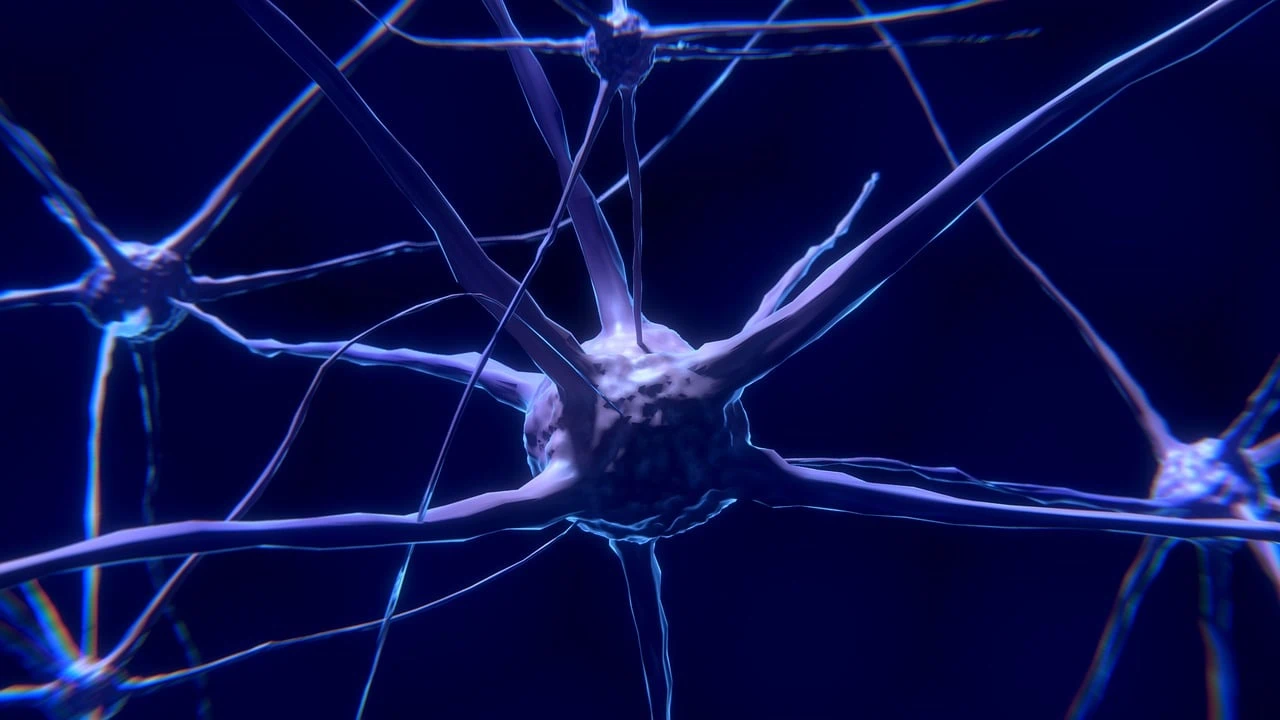
The core issue lies in the brain state required for learning versus the one social media encourages. To truly learn something new—whether it’s a complex grammar structure or a historical fact—your brain needs to be in a focused, task-positive state. This is when your prefrontal cortex is engaged, actively working to process and store new information. Instagram, with its endless scroll and constant notifications, does the opposite. It keeps your brain in what neuroscientists call the “Default Mode Network” (DMN). This is your brain’s “daydreaming” mode, active when you are mind-wandering or thinking about yourself and others. Because scrolling keeps us in this relaxed, passive DMN state, our brains are simply not primed to do the hard work of deep learning.
Furthermore, our brains have a strict capacity for new information, known as cognitive load. Effective learning happens when this capacity is dedicated to understanding and connecting new ideas. Social media platforms, however, are designed to overwhelm it. Every post is a battle for your attention, featuring competing stimuli: text, images, videos, likes, comments, and ads. This constant multitasking splits your focus, leaving no mental resources available for the deep processing that turns information into knowledge. Studies have shown that even the mere presence of a phone on a desk reduces available cognitive capacity, as our brains work to resist the temptation to check it.
Finally, decades of educational psychology have identified key principles for creating durable memories, all of which are absent on social media. True learning relies on the Spacing Effect (reviewing material over increasing intervals), the Testing Effect (actively trying to recall information from memory), and the Generation Effect (creating your own connections to the material). A social media feed, by its very nature, is designed for novelty. It shows you something new with every flick of the thumb, almost never systematically bringing back old information for review or prompting you to actively retrieve what you’ve seen before. It is a system of passive consumption, which leads to a false sense of familiarity, not true competence.
In conclusion, while social media can be a wonderful tool for discovery and inspiration, it is a fundamentally flawed environment for education. Its architecture, which is optimized to keep us engaged through distraction and reward, actively works against the neurological and psychological conditions necessary for deep and durable learning. To truly master a subject, we must step away from the feed and into environments that support focused attention, manage cognitive load, and encourage active recall. The path to knowledge isn’t found in a scroll, but in focused, effortful, and spaced-out practice.